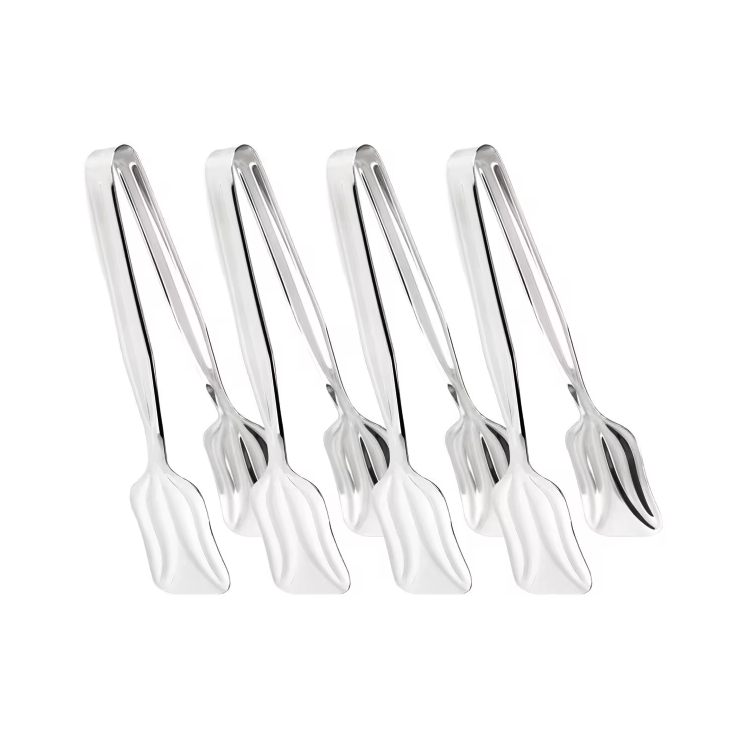
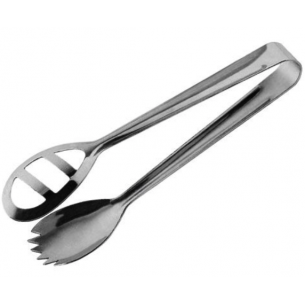
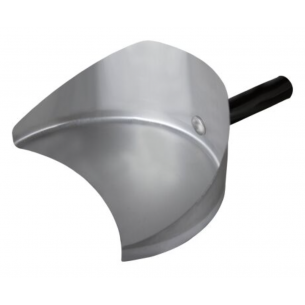
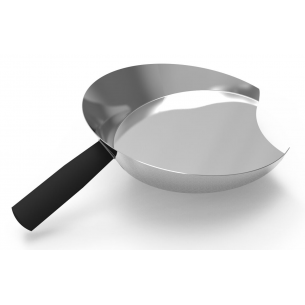
Fresh crudités and garnishes are an essential component of kebab service: they complete the plate, justify the price, and contribute to the freshness image of the establishment. To serve them cleanly, quickly, and hygienically, the salad tong is the basic tool — and the difference between a professional set of 4 stainless tongs and a single improvised pair becomes apparent within the first service where a staff member needs to serve salad, tomatoes, onions, and pickles simultaneously to multiple customers.
Why a Set of 4?
In a kebab restaurant with a garnish station — typically crudités tray, sliced tomatoes, onions, pickled cabbage, mixed salad — having a dedicated tong per container is the correct HACCP practice. Cross-contamination between containers is a documented risk point in garnish stations; a tong that moves between raw onion and dressed salad transfers flavours, bacteria, and allergen traces. One tong per container eliminates that risk and is the standard recommended by food hygiene authorities in France.
A set of 4 covers the typical garnish station of a small to medium kebab restaurant. Larger operations with more garnish varieties should order multiples.
HACCP Colour Coding and Kebab Kitchen Organisation
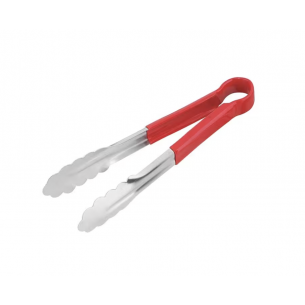
These stainless salad tongs work alongside MFF's HACCP colour-coded meat tongs (red) and universal split tongs to create a complete, organised service kit. While these salad tongs are stainless (neutral colour), the distinction between the salad tong and the red meat tong is visually clear, supporting the colour-coded kitchen organisation that French food hygiene authorities recommend.
Construction and Maintenance
Stainless steel construction throughout — the spring, the arms, and the grip surfaces. The tongs are lightweight enough for extended use without fatigue and precise enough to serve individual garnish components cleanly. Dishwasher-safe: load in the cutlery basket of a commercial dishwasher for daily cleaning. The spring mechanism does not lose tension with repeated dishwasher cycles when stored correctly (not compressed flat during drying).
Part of MFF's Kebab Service Accessories
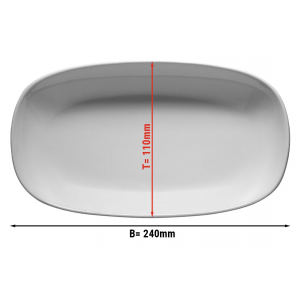
The salad tong set combines with MFF's full kebab accessory range: serving spade (döner), gyros compact spade, red meat tongs (HACCP), universal split tongs, oval service plates (240×110mm ×6). A complete, matched service accessory set reduces confusion during busy service and makes staff training straightforward.
MFF Guarantee & After-Sales: 2-year guarantee, extended guarantee available. Technician installation on request. Delivery 48–72h mainland France.
Allergen Management at the Garnish Station
In France, food service operators are legally required to provide allergen information to customers upon request (EU Regulation 1169/2011). At a kebab garnish station, cross-contamination between containers creates a potential allergen tracing issue: if the same tong moves between a container of sesame-containing sauce and plain crudités, the crudités are effectively contaminated with sesame — a declared allergen for which undisclosed exposure can trigger severe reactions.
Having a dedicated tong per container is the most straightforward operational solution to this risk. It is also the easiest to explain to inspectors: each container has its own tong, tongs are colour-coded by food type, cross-contamination is structurally prevented. The set of 4 stainless salad tongs from MFF gives you the minimum number needed to cover the typical garnish station (salad, tomatoes, onions, pickles) with one tong per container — no improvisation, no shared tools, a clean compliance record.
Training Staff on Correct Tong Use
The simplest staff instruction for tong use at the garnish station: each tong lives in its container, never leaves it during service, and is changed for cleaning at the same time as its container is refilled. This instruction takes 30 seconds to communicate and eliminates the primary source of cross-contamination at the garnish counter. When training new staff on opening procedures, include tong placement as part of the station setup checklist — a tong in the wrong container at the start of service creates a potential food safety event before the first customer arrives.