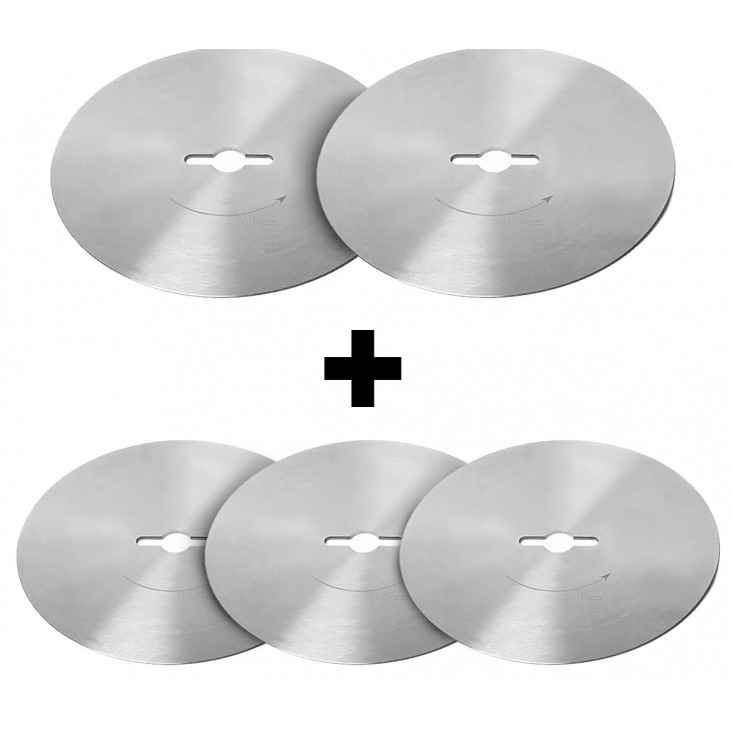
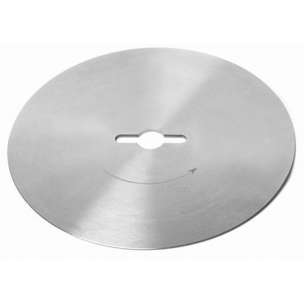
An electric kebab knife blade progressively loses its edge with use — that is inevitable in intensive döner production. A dull blade no longer cuts cleanly: it crushes the meat fibres, produces irregular slices, and forces the operator to apply more pressure. That extra pressure strains the motor, shortens its service life, and reduces portion consistency. These Ø100mm replacement blades ensure your ECO kebab knife keeps performing at full capacity throughout its service life.
When to Replace Your Kebab Knife Blade
Under daily professional use of an ECO electric kebab knife (up to 80kg/day), plan on the following maintenance schedule:
- Sharpening: every 2–4 weeks depending on volume and marinade acidity (yoghurt and lemon-heavy marinades accelerate edge wear)
- Full replacement: every 3–6 months under normal use; every 2–3 months with high-acidity marinades or volumes approaching 80kg/day
The signs that a blade needs replacing rather than sharpening: the edge chips rather than dulling evenly, slices become consistently ragged even after sharpening, or the blade develops visible notches from hard spices or bone fragments in the cone.
Blade Compatibility
These Ø100mm blades are compatible with MFF's ECO range electric kebab knives (corded 80W and cordless 12V). For PRO range knives, which use a different Ø80mm blade, contact MFF to confirm compatibility before ordering.
Why Buy a Set of 5?
Ordering a set of 5 blades at the same time as your knife — or when you notice the first signs of wear — means you have spares on hand the moment you need them. A service interruption because the blade failed at the start of Friday evening service is the kind of operational disruption that a €97 set of spares prevents entirely. At that price, it is the most cost-effective insurance for your döner station.
HACCP Note
Food-grade stainless steel blades are non-corrosive and compatible with standard food-safe cleaning agents. Store spare blades dry and away from moisture to maintain their edge and prevent surface oxidation between uses.
MFF Guarantee & After-Sales: 2-year guarantee, extended guarantee available. Technician installation on request. Delivery 48–72h mainland France.
How to Change the Blade on an ECO Electric Kebab Knife
Blade replacement on the ECO knife is designed to be tool-free and takes under 60 seconds once you have done it a few times. The general sequence:
- Switch off the knife and wait for the blade to come to a complete stop
- Loosen the blade retention collar — typically a left-hand thread (clockwise to loosen when facing the blade)
- Remove the dull blade and set it aside for disposal or sharpening
- Position the new Ø100mm blade against the drive coupling, ensuring the blade seat is clean and free of meat residue
- Tighten the retention collar — firm hand-tightening is sufficient; do not use tools which risk over-torqueing
- Run the knife briefly at low speed before returning to service to confirm the blade is seated correctly
Always change the blade with the knife unplugged (corded) or battery removed (cordless). Carry out blade changes at a clean, dry workstation — a wet blade seating surface can cause corrosion between the blade and the drive coupling.
Safe Disposal of Used Blades
A worn kebab knife blade is a sharp metal item. Used blades should be disposed of safely: wrap in cardboard or place in a puncture-resistant container before adding to the waste stream. Do not place unwrapped used blades in general waste bags where they pose a risk to staff handling rubbish. If the blade is being sent for re-sharpening rather than disposal, transport it in a blade sleeve or wrapped in protective material.
Ordering Replacement Blades at MFF
MFF stocks Ø100mm replacement blades (set of 5) year-round. Delivery to mainland France within 48–72 hours from order confirmation. Order early — ordering a set when you install a new knife means you will never face a mid-service blade failure without a replacement on hand. The cost of a set of 5 blades at €97 is less than the revenue from 10 kebabs: the downside of running out of blades mid-service vastly exceeds the cost of maintaining a stock.